The Impact of Art Charity: Where Your Donations Go
By Otieno Odhiambo · 29 May 2026 · 8 min read

A practical, East Africa–grounded guide to transparency — from the ArtCollect desk, with links into the wall, the calendar, and the causes.
Transparency across East Africa — this guide is the practical version, written from the platform's own ground: published works, live calendars, cause ledgers, and ticket availability that is computed rather than claimed. No imported headlines, no invented statistics; every specific here traces to something you can click and verify. By the end you'll know what transparency involves, which checks to run before money moves, and which pages on ArtCollect and TikoYetu do the heavy lifting for you.
What this guide covers
- The honest mechanics of **transparency** in the East African context - The checks that protect your money and your collection - Where ArtCollect and TikoYetu carry the weight (and where they deliberately don't) - The mistakes this desk sees most often — and the checklist that prevents them - Four quick answers to the questions readers actually send
Transparency: what the words actually mean
Kenya's giving rules have technical edges. Whether a gift is deductible, how an in-kind artwork is valued for a receipt, and what cross-border transfers require — these are questions for a tax professional, not for a blog. What a platform owes you is simpler and stricter: a receipt for every gift, a named program behind every shilling, and numbers that don't move after the money arrives.
How it works in practice
In-kind gifts are underrated. A roll of unprinted paper, a spare register hinge, a Saturday of studio space, a skill — these land differently from cash and often land faster, because they skip the procurement step entirely. The etiquette: talk to the program first, agree a fair value for the receipt, and deliver what you said you would.
The regional angle
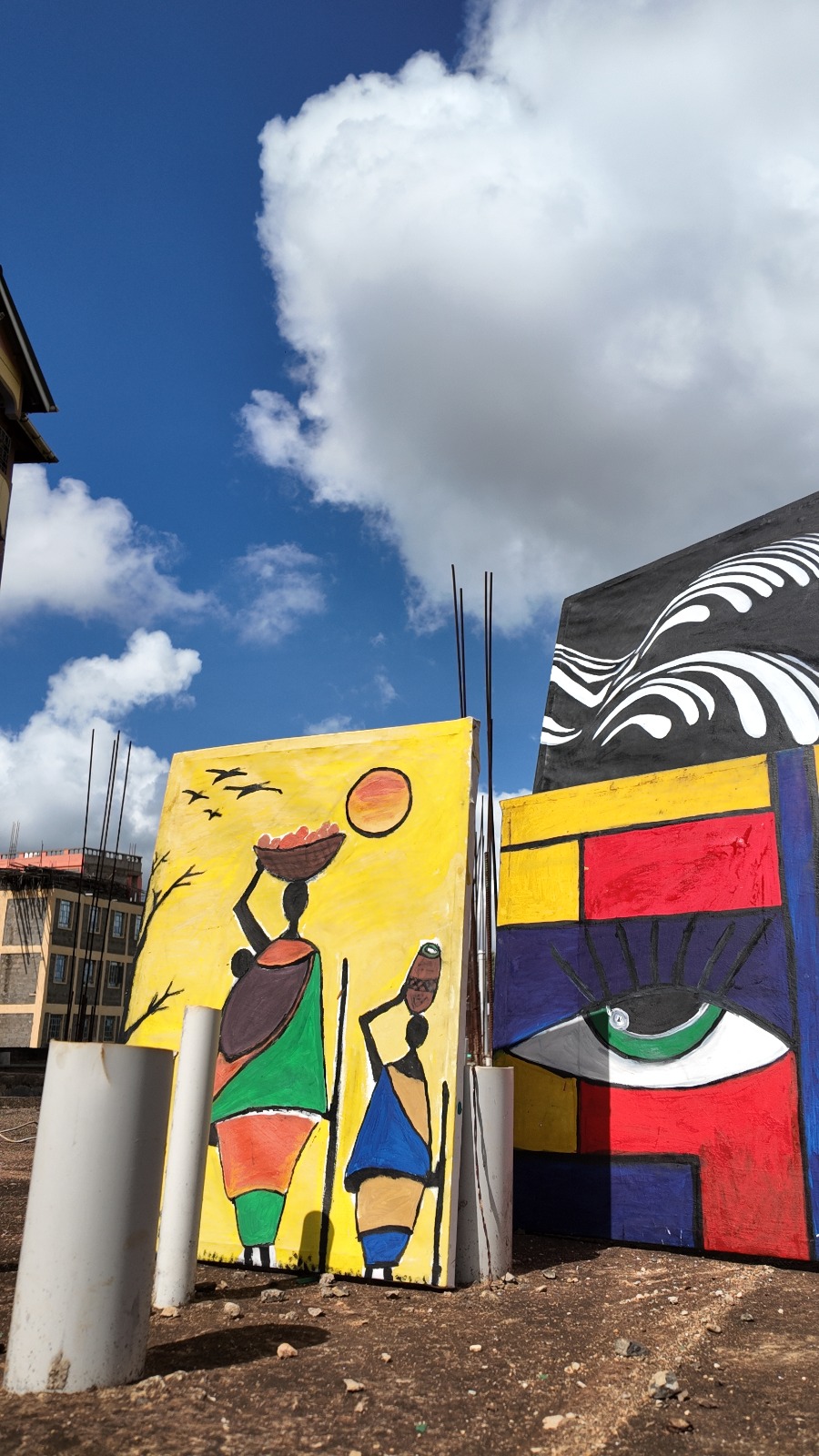
The impact story is the receipt, retold. When a cause publishes that KES 3,500 became one sealed wall, the donor doesn't have to imagine the outcome — they can walk past it. That's the standard we hold: every gift traceable from phone to paint to public wall.
On ArtCollect specifically
Close to home: [Girls Who Print — Mombasa](/donate/girls-who-print-mombasa) is where this gets practical — real works, real prices, real availability. Beyond that, [our open causes](/causes) and [the Kibera Walls Fund](/donate/kibera-walls-fund) are the two pages this desk keeps open all week.
Doing it well this month
1. Choose the cause from its published ledger, not its poster. 2. Decide the amount in KES and whether it's one-off or monthly — monthly is the quiet superpower. 3. Give through the page (M-Pesa or card) and keep the receipt that lands with the confirmation. 4. Read the next ledger the month after — the wall list and the till should agree. 5. Tell one friend why you funded it; the maths of many needs the telling.
Mistakes this desk sees most
- Giving to the poster instead of the ledger. - Sending in-kind gifts without a valuation conversation first. - Assuming deduction treatment instead of asking a professional. - One big cheque instead of the recurring gift the program can plan around. - Not keeping the receipt — the M-Pesa confirmation is the document.
The checklist
- [ ] Ledger read (this month's, not last quarter's) - [ ] Line item chosen and named in the gift - [ ] M-Pesa or card receipt saved - [ ] Monthly option considered - [ ] Cause page followed for the next ledger - [ ] One friend told why
Quick answers
**Where does the money actually go?**
To the named program: paint, stipends, workshop materials. Each cause page publishes what a donation buys before you give.
**Can I donate artwork instead of money?**
Yes — in-kind gifts need a valuation and a conversation first. Start on the cause page.
**How do I know the program is real?**
Read the ledger. Paint litres, stipend weeks, and wall lists are published monthly — trust that survives arithmetic.
**Can I give anonymously?**
Yes. Anonymous donors appear as 'Anonymous' on public supporter lists, with the same receipt.
Keep reading on the journal
- [The Beginner's Guide to Art Collecting](/journal/the-beginners-guide-to-art-collecting) - [How to Value Your Artwork: A Complete Guide](/journal/how-to-value-your-artwork-a-complete-guide) - [Kibera Walls Fund: Paint Litres, Stipend Weeks, and Public Receipts](/journal/kibera-walls-fund-paint-litres-stipend-weeks-and-public-receipts) - [Genesis at The Party Paris Lounge: 404 Effect's Friday Night in Kutus](/journal/genesis-at-the-party-paris-lounge-404-effects-friday-night-in-kutus) - The full [journal index](/journal) and the [browse wall](/browse) — both update live.
The one-paragraph version
transparency rewards the boring disciplines: read the ledger, set the budget, message the human, document everything, show up monthly. ArtCollect exists to make those five steps easy on one platform — the wall for looking, the calendar for planning, TikoYetu for paying, and the causes for giving where it counts. Start with one step this week; the rest of this series will be here, dated and receipted, when you need it. — The ArtCollect Desk
Going deeper, part 1
The KES-first principle: prices stated in shillings you can verify against materials and studio rents, not dollars converted at whoever's advantage. A market that prices in its own currency is a market that belongs to itself.
Recurring gifts do something one-off generosity can't: they let a program plan. A paint budget can only be promised if next month's support is visible on the books. This is why the quiet hero of art fundraising isn't the gala headline gift — it's the five hundred people who set up a monthly 100 bob and forgot about it in the best way.
Going deeper, part 2
Artist-direct relationships are the region's structural advantage: shorter chains, honest margins, and stories heard from the source. The homework is verification — and the reward is a collection that means what it says.
In-kind gifts are underrated. A roll of unprinted paper, a spare register hinge, a Saturday of studio space, a skill — these land differently from cash and often land faster, because they skip the procurement step entirely. The etiquette: talk to the program first, agree a fair value for the receipt, and deliver what you said you would.
Going deeper, part 3
Documentation is the collector's compound interest. Invoice, photograph, artist's message, reason-sentence — filed together in the same hour. Ten minutes on purchase day becomes the provenance that answers every future question.
Corporate givers want three things their CSR teams can actually report: a named program, a paper trail, and an impact story with pictures. Art programs are unusually good at the third — the wall photographs itself. The first two are where discipline shows: contracts, receipts, and a closing report that matches the proposal.
Going deeper, part 4
Condition care in East African climates is a real discipline: equatorial light, coastal salt air, dust in the dry season, damp in the rains. Framing to conservation standard and hanging away from direct sun is the cheapest value protection that exists.
The impact story is the receipt, retold. When a cause publishes that KES 3,500 became one sealed wall, the donor doesn't have to imagine the outcome — they can walk past it. That's the standard we hold: every gift traceable from phone to paint to public wall.
Going deeper, part 5
The calendar is a public good. One platform, one calendar, live availability — means a collector in Kutus and a curator in Kilimani get the same answer to 'what's on this weekend'. Scarcity of information was the old gate; it's not coming back.
Start with the receipt test. A cause worth funding can tell you what a donation buys before you take out your phone: one wall sealed against the rains, one screen hinge-set and degreased, one stipend week for a painter between commissions. Ours publish those line items publicly — paint litres, brush counts, stipend weeks — because a ledger you can read is worth more than a logo on a poster.
Going deeper, part 6
Attention is the underrated currency. The collectors who matter to a scene are the ones who show up monthly — at the opening, at the wall, at the cause day. Money follows attention; it rarely leads it.
Kenya's giving rules have technical edges. Whether a gift is deductible, how an in-kind artwork is valued for a receipt, and what cross-border transfers require — these are questions for a tax professional, not for a blog. What a platform owes you is simpler and stricter: a receipt for every gift, a named program behind every shilling, and numbers that don't move after the money arrives.
Going deeper, part 7
The receipt culture extends to everyone: platforms publish ledgers, artists publish prices, buyers keep invoices. Every hand in the chain holding paper is what makes the next hand honest.
Recurring gifts do something one-off generosity can't: they let a program plan. A paint budget can only be promised if next month's support is visible on the books. This is why the quiet hero of art fundraising isn't the gala headline gift — it's the five hundred people who set up a monthly 100 bob and forgot about it in the best way.
Going deeper, part 8
Asking questions is a skill: 'what's the story behind this work' opens doors that 'why is it so expensive' closes. The first question respects the making; the second respects only the market. Collectors who learn the first get answers the second never hears.
In-kind gifts are underrated. A roll of unprinted paper, a spare register hinge, a Saturday of studio space, a skill — these land differently from cash and often land faster, because they skip the procurement step entirely. The etiquette: talk to the program first, agree a fair value for the receipt, and deliver what you said you would.