
Contemporary Art Market Trends: An East African Reading
By Otieno Odhiambo · 22 June 2026 · 2 min read
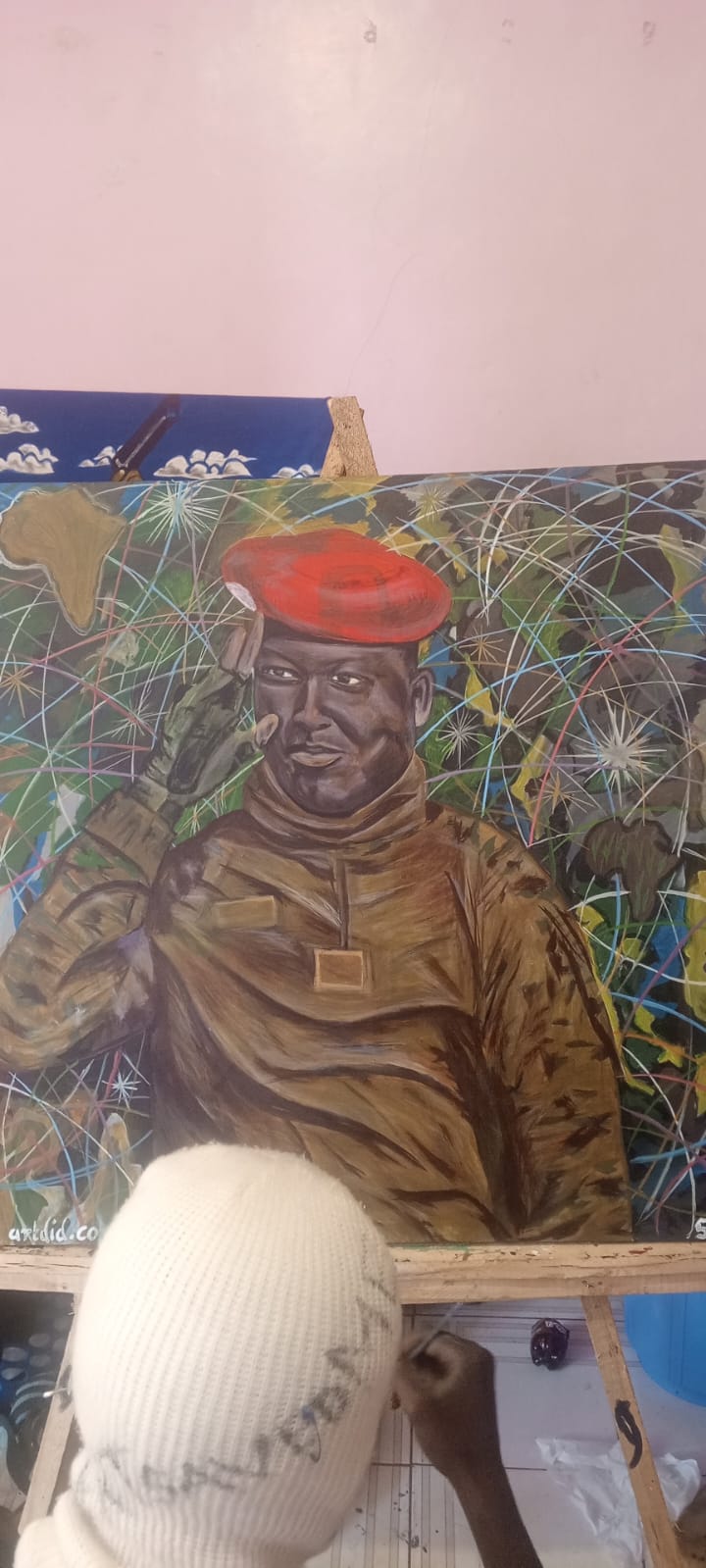
The real trend in East Africa's contemporary art market isn't rising prices — it's institution-building: a new secondary-market auction and a Nairobi gallery physically doubling its space in two years.
Ask what's actually changed in this market over the last two years, and the honest answer isn't a price trend — it's that the infrastructure to support one is being built in real time.
The clearest evidence: a market building its own secondary layer
Until November 2025, East Africa didn't have a dedicated auction platform for reselling its own modern and contemporary art at scale. That changed when Strauss & Co, Africa's leading auction house, partnered with Danda Jaroljmek's Art Auction East Africa — an initiative she'd run independently since 2013 — for a joint sale in Nairobi. The result: KES 29.6 million in sales, close to an 80% sell-through rate on around 65 lots, and Tanzanian modernists K.F. Msangi and Sam Ntiro setting new benchmark prices. A second edition is confirmed for 28 October 2026. That's not a price trend — it's a market gaining the one thing it structurally lacked: a repeatable, public record of what East African art actually resells for.
Gallery infrastructure is visibly growing too
Circle Art Gallery, the Nairobi space that anchors both the auction partnership and the city's contemporary scene, expanded to a 2,500 square-foot gallery in 2023, then added a second, smaller 54 square-metre space in 2025 specifically so it could run two exhibitions at once. It also launched a quarterly Artists Open Week — a standing portfolio-review and career-advice session for artists, not a one-off. Alongside longer-standing spaces like the GoDown Arts Centre and Kuona Trust, that's a gallery scene adding capacity, not just activity.
What this doesn't mean
None of this is evidence that East African art is appreciating in value the way a market with decades of resale data would show. By most outside accounts — ArtReview among them — Nairobi's scene, while growing, isn't yet at the scale or liquidity of Lagos's or Cape Town's, and one strong auction result is a single data point, not a trend line. The honest reading of "what's happening in this market" right now is institutional: new plumbing being laid, not yet a verified pattern of returns running through it.
What it means if you're watching this market
The two concrete things worth tracking going into the October 2026 auction: whether the sell-through rate and buyer count from 2025 hold or grow, and whether more galleries follow Circle's lead in adding capacity rather than just programming. Both are checkable facts, unlike a price prediction — which is why this reading sticks to them rather than forecasting where values go next.
— The ArtCollect Desk
Sources: Art Auction East Africa organisers' own site (artauctioneastafrica.com); Strauss & Co press coverage of the November 2025 sale; Circle Art Gallery's own published exhibition and press pages.