
Common Mistakes That Destroy Artwork Value
By The ArtCollect Desk · 29 June 2026 · 1 min read
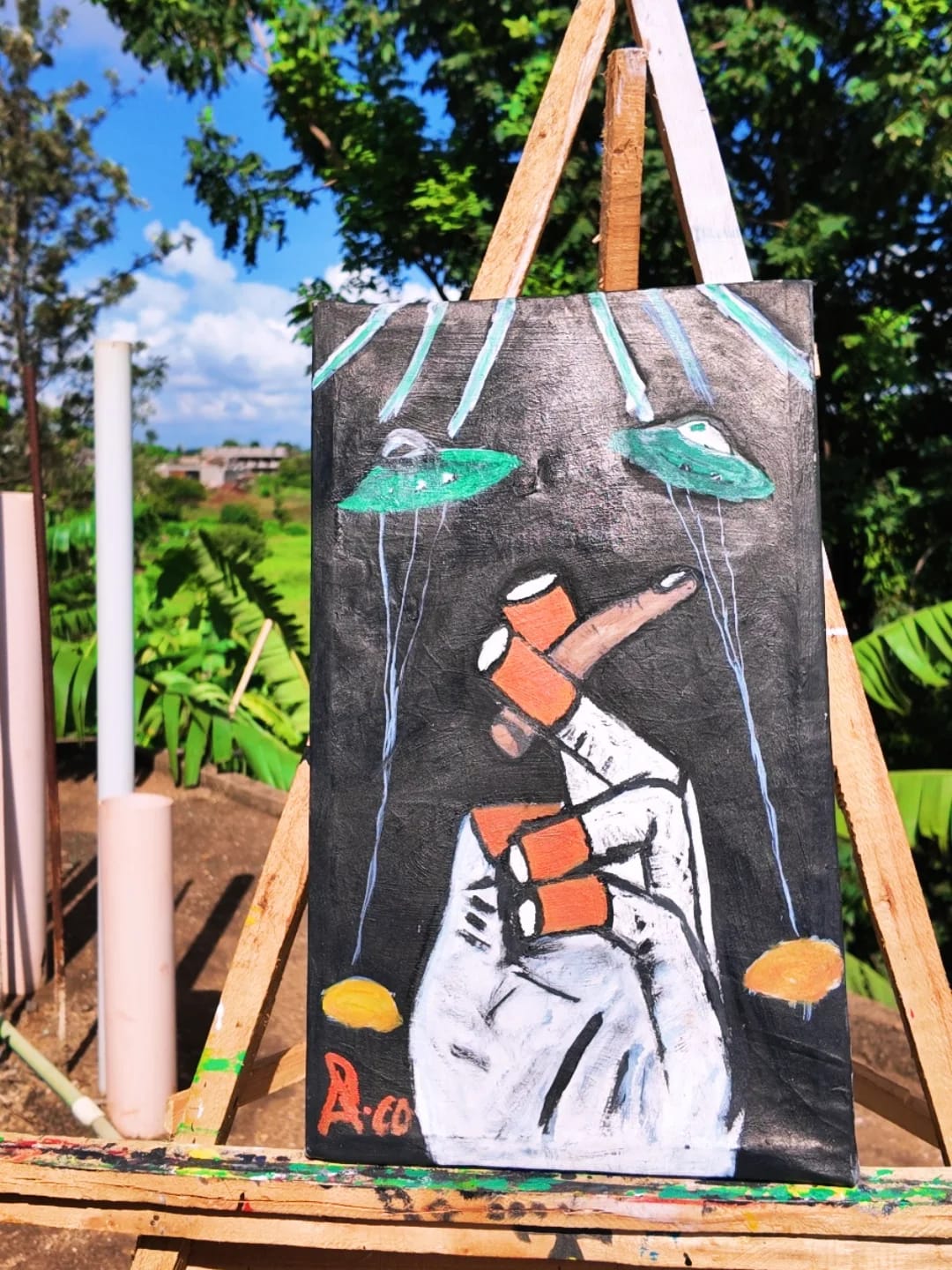
The mistakes that actually destroy an artwork's value are mostly quiet and physical — sun, humidity, bad framing, and missing paperwork — not dramatic accidents.
The mistakes that quietly cost the most value aren't dramatic — they're small, repeated, physical decisions most owners never think twice about.
Direct sunlight
UV exposure fades pigment steadily and irreversibly — a work hung in direct sun for years can lose real value to visible fading alone, and it's damage no restoration fully undoes. Hang work out of direct light, or with UV-filtering glazing if direct light is unavoidable.
Framing with the wrong materials
Acidic mat board and backing, common in cheap framing, physically degrades paper over time — yellowing and brittleness that a "reframe" later can slow but not reverse. Conservation-standard, acid-free materials cost more upfront and are the actual cost of protecting a paper work's value long-term.
Humidity and climate exposure
In coastal and humid regions of East Africa specifically, damp air swells paper, encourages mould, and can loosen canvas on its stretcher over time; conversely, very dry conditions can make paper and canvas brittle. Stable indoor conditions, away from bathrooms, kitchens, and exterior walls prone to damp, matter more than most owners assume.
Losing the paperwork
An invoice thrown away, a purchase never photographed, an artist's description never written down — none of this damages the physical object, but it damages what an appraiser, insurer, or future buyer can verify about it. Undocumented value is harder to defend than damaged value is to see.
DIY repairs
A well-meant home touch-up on a damaged area almost always reduces value further than the original damage did — professional conservation, even delayed, generally outperforms an amateur fix, and a visibly retouched work is flagged by any appraiser who looks closely.
— The ArtCollect Desk