
Charity Art Auctions: How Bidding Works From Start to Hammer
By Otieno Odhiambo · 16 June 2026 · 2 min read
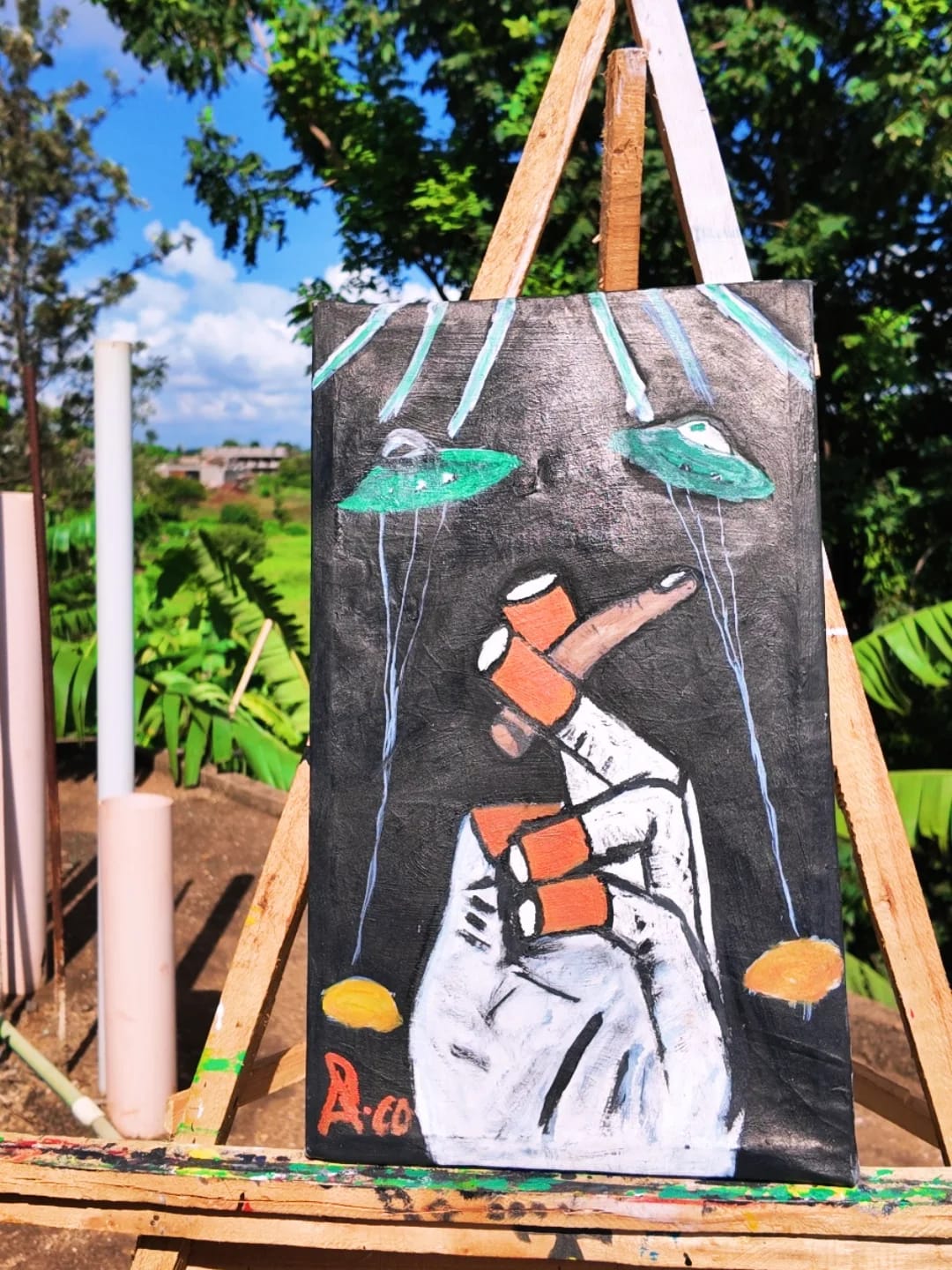
How a live art auction actually runs, start to hammer — registration, the estimate, the bid increments, and what "sold" and "passed" actually mean.
An auction has a real mechanical structure underneath the drama — here's what actually happens between registering and a lot selling.
Before the sale: registration and estimates
You register for a paddle number before bidding, usually with basic identification and sometimes a deposit or credit check for higher-value sales. Every lot carries a pre-sale estimate — a range the auction house believes it will sell within, not a guaranteed price. A lot can, and regularly does, sell above or below that range.
During the sale: increments, not free-form bids
Bidding moves in set increments the auctioneer controls, not arbitrary amounts you shout out — increments typically grow as the price rises. The auctioneer calls the current bid and asks for the next increment; a nod, a raised paddle, or a stated number all register as a bid.
The reserve, and what "passed" means
Many lots carry a confidential reserve — the minimum price the seller will accept. If bidding doesn't reach it, the lot is "passed" or "bought in" — it doesn't sell, and that's a normal, undramatic outcome, not a failure of the work itself.
The hammer and what happens after
"Sold" is marked by the auctioneer's hammer falling on the highest bid at or above reserve. The winning bidder then owes the hammer price plus the auction house's buyer's premium — a percentage added on top, disclosed in the sale's terms beforehand — plus any applicable taxes.
What a strong result actually looks like
A high sell-through rate — most lots finding buyers, not just one headline lot doing well — is the real sign of a healthy sale, more than any single dramatic bidding war. See our coverage of the November 2025 Art Auction East Africa sale for a concrete, real example of what that looks like in this region specifically.
— Otieno Odhiambo