
Art Valuation Services: The Four Times You Need One
By The ArtCollect Desk · 5 July 2026 · 1 min read
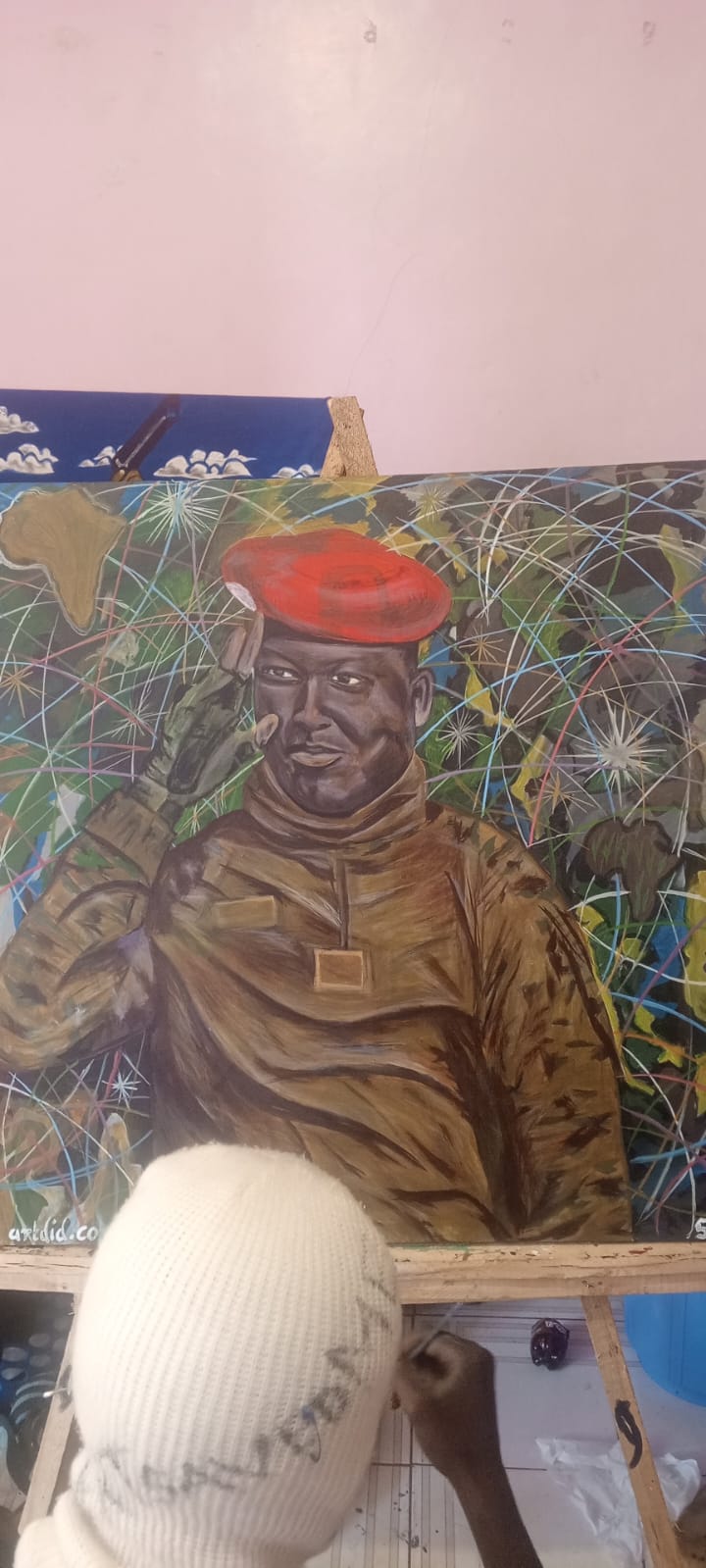
The four specific moments a paid, independent valuation is actually worth it — donation, insurance, estate, and sale — and why a rough self-estimate is fine everywhere else.
Most of the time, owning art doesn't require a paid valuation. Four specific moments change that — and knowing which one you're in tells you exactly what kind of valuation to ask for.
Donating an in-kind gift
If you're donating an artwork rather than cash under Kenya's donation tax rules, nothing in the law hands you an automatic valuation formula — an independent number is what makes the claim defensible if it's ever questioned. See our full coverage of what that donation actually requires.
Insuring a collection
An insurer wants a documented, independent figure before covering a piece at a stated value — your own estimate, however careful, generally isn't what a claim gets paid out against.
Settling an estate
A documented professional valuation protects an estate's executor and beneficiaries from later disputes over what a piece was actually worth at the time of transfer — this is not a moment to guess.
Selling through a formal channel
Any sale that requires a stated value or reserve upfront — a consignment, a formal listing, an auction estimate — needs a number with some independent backing behind it, not just what you hope it's worth.
Everywhere else, a rough self-assessment is fine
Simply wanting to know roughly what your collection is worth, deciding whether to consider selling, or setting a donation tier for a smaller in-kind gift — none of these require paying for a formal appraisal. Save the professional fee for the four moments above, where an independent number actually does something a self-estimate can't.
— Njeri Wachira