Art Movements Explained: A Timeline You Can Actually Use
By Otieno Odhiambo · 10 July 2026 · 7 min read

A practical, East Africa–grounded guide to art movements explained — from the ArtCollect desk, with links into the wall, the calendar, and the causes.
Art Movements Explained across East Africa — this guide is the practical version, written from the platform's own ground: published works, live calendars, cause ledgers, and ticket availability that is computed rather than claimed. No imported headlines, no invented statistics; every specific here traces to something you can click and verify. By the end you'll know what art movements explained involves, which checks to run before money moves, and which pages on ArtCollect and TikoYetu do the heavy lifting for you.
What this guide covers
- The honest mechanics of **art movements explained** in the East African context - The checks that protect your money and your collection - Where ArtCollect and TikoYetu carry the weight (and where they deliberately don't) - The mistakes this desk sees most often — and the checklist that prevents them - Four quick answers to the questions readers actually send
Art Movements Explained: what the words actually mean
East African art history is not a footnote to anyone else's. The line runs from the early Nairobi galleries and the workshop movements through today's studio practice, with the continent's modernists writing their own story alongside — and sometimes ahead of — the Euro-American canon. Learn the local line first; the international one makes more sense afterwards.
How it works in practice
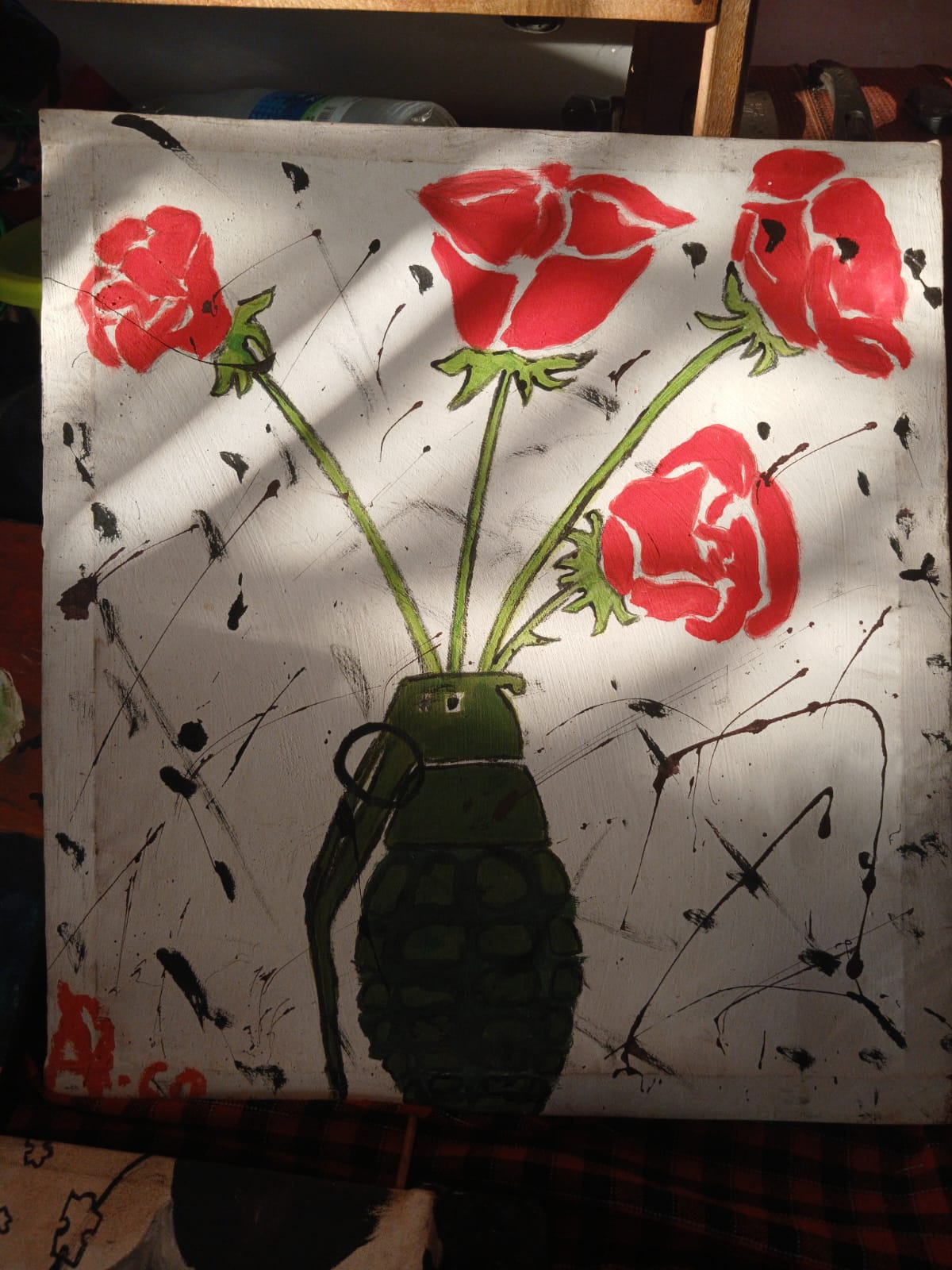
Looking is a skill with a method: palette first (what colors carry the piece), then edges (hard, soft, torn, glazed), then scale (how big it actually is against your wall), then subject, then mark-making. Then the locked door: what did the artist decide not to explain? The best works keep one.
The regional angle
The looking habit compounds like interest: ten minutes a week in front of published work — any platform's, any artist's — recalibrates your eye faster than a year of scrolling. The wall is open for exactly this reason: looking is free, and it's the whole prerequisite.
On ArtCollect specifically
Close to home: [Wanjiku Mwangi's collage process](/artists/wanjiku-mwangi) is where this gets practical — real works, real prices, real availability. Beyond that, [Ben Mungai's acrylic practice](/artists/ben-mungai) and [every published work on the wall](/browse) are the two pages this desk keeps open all week.
Doing it well this month
1. Pick one published work and give it five unhurried minutes. 2. Write the five verifiable things — palette, edge, scale, subject, mark-making. 3. Add the locked-door sentence: what the artist chose not to explain. 4. Read one artist page end to end, bio to prices. 5. Repeat weekly — the habit is the curriculum.
Mistakes this desk sees most
- Reading about art instead of looking at it. - Learning terminology before learning to look. - Mistaking confusion for incapacity — confusion is the syllabus. - Only looking at one kind of work and calling it taste. - Quoting a critic where your own eyes would do.
The checklist
- [ ] Five verifiable things written - [ ] Locked-door sentence written - [ ] One artist page read fully - [ ] One glossary slice read - [ ] One workshop or opening attended - [ ] Weekly looking slot in the calendar
Quick answers
**What if I don't like anything?**
You haven't seen enough yet. The wall is big on purpose.
**Is there a right interpretation?**
There are supported and unsupported readings — the guide shows the difference.
**How do I learn the history?**
Local line first: the region's movements explain the global ones better than the reverse.
**Are workshops worth it?**
Making one bad collage teaches more than reading ten good essays about collage.
Keep reading on the journal
- [The Beginner's Guide to Art Collecting](/journal/the-beginners-guide-to-art-collecting) - [How to Value Your Artwork: A Complete Guide](/journal/how-to-value-your-artwork-a-complete-guide) - [Kibera Walls Fund: Paint Litres, Stipend Weeks, and Public Receipts](/journal/kibera-walls-fund-paint-litres-stipend-weeks-and-public-receipts) - [Genesis at The Party Paris Lounge: 404 Effect's Friday Night in Kutus](/journal/genesis-at-the-party-paris-lounge-404-effects-friday-night-in-kutus) - The full [journal index](/journal) and the [browse wall](/browse) — both update live.
The one-paragraph version
art movements explained rewards the boring disciplines: read the ledger, set the budget, message the human, document everything, show up monthly. ArtCollect exists to make those five steps easy on one platform — the wall for looking, the calendar for planning, TikoYetu for paying, and the causes for giving where it counts. Start with one step this week; the rest of this series will be here, dated and receipted, when you need it. — The ArtCollect Desk
Going deeper, part 1
Documentation is the collector's compound interest. Invoice, photograph, artist's message, reason-sentence — filed together in the same hour. Ten minutes on purchase day becomes the provenance that answers every future question.
Twenty words unlock every certificate: medium, edition, provenance, condition report, giclée, impasto, verso, signature block, printer's chop, blind stamp. Learn them once, attached to real works, and the paperwork of collecting stops being a wall and becomes a window.
Going deeper, part 2
Condition care in East African climates is a real discipline: equatorial light, coastal salt air, dust in the dry season, damp in the rains. Framing to conservation standard and hanging away from direct sun is the cheapest value protection that exists.
Looking is a skill with a method: palette first (what colors carry the piece), then edges (hard, soft, torn, glazed), then scale (how big it actually is against your wall), then subject, then mark-making. Then the locked door: what did the artist decide not to explain? The best works keep one.
Going deeper, part 3
The calendar is a public good. One platform, one calendar, live availability — means a collector in Kutus and a curator in Kilimani get the same answer to 'what's on this weekend'. Scarcity of information was the old gate; it's not coming back.
Terminology exists to be useful, not to gatekeep. Anyone who makes you feel small for asking what 'giclée' means is defending a price, not a practice. Learn the words on the real documents and you can hold your ground in any gallery conversation from Nairobi to Mombasa to Kutus.
Going deeper, part 4
Attention is the underrated currency. The collectors who matter to a scene are the ones who show up monthly — at the opening, at the wall, at the cause day. Money follows attention; it rarely leads it.
The looking habit compounds like interest: ten minutes a week in front of published work — any platform's, any artist's — recalibrates your eye faster than a year of scrolling. The wall is open for exactly this reason: looking is free, and it's the whole prerequisite.
Going deeper, part 5
The receipt culture extends to everyone: platforms publish ledgers, artists publish prices, buyers keep invoices. Every hand in the chain holding paper is what makes the next hand honest.
The five-verifiable-things exercise is the fastest way to learn to see. Stand in front of any published work and write down five things you can check with your eyes — palette, edge quality, scale, subject, mark-making — then one sentence about what the artist chose not to do. That sentence is where connoisseurship starts.
Going deeper, part 6
Asking questions is a skill: 'what's the story behind this work' opens doors that 'why is it so expensive' closes. The first question respects the making; the second respects only the market. Collectors who learn the first get answers the second never hears.
East African art history is not a footnote to anyone else's. The line runs from the early Nairobi galleries and the workshop movements through today's studio practice, with the continent's modernists writing their own story alongside — and sometimes ahead of — the Euro-American canon. Learn the local line first; the international one makes more sense afterwards.
Going deeper, part 7
East African art doesn't need validating from elsewhere — it needs documenting from inside. Every purchase with its papers, every wall with its ledger, every spotlight with its close reading is the region writing its own catalogue raisonné in public.
Twenty words unlock every certificate: medium, edition, provenance, condition report, giclée, impasto, verso, signature block, printer's chop, blind stamp. Learn them once, attached to real works, and the paperwork of collecting stops being a wall and becomes a window.
Going deeper, part 8
Trust in this market is built from boring materials: receipts, ledgers, published prices, verified payments. The exciting parts — openings, nights, auctions — only mean something because the boring parts are solid. Every guide in this series is an argument for the boring parts.
Looking is a skill with a method: palette first (what colors carry the piece), then edges (hard, soft, torn, glazed), then scale (how big it actually is against your wall), then subject, then mark-making. Then the locked door: what did the artist decide not to explain? The best works keep one.