
Art Curation Services: What a Curator Actually Does
By The ArtCollect Desk · 14 June 2026 · 1 min read
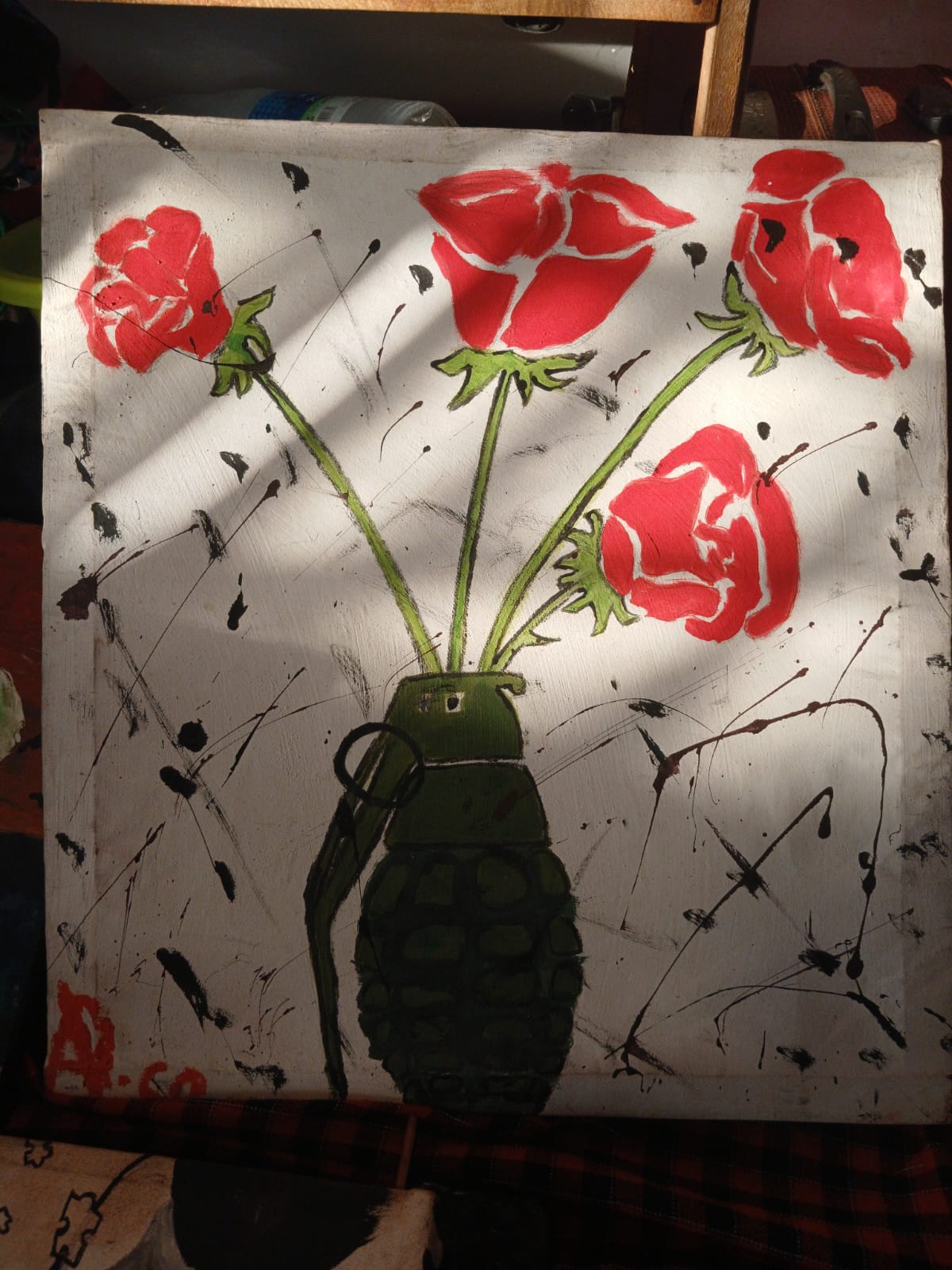
A curator's actual job is argument-building — selecting and placing works so they say something together they wouldn't say individually. Here's what that work involves.
A curator does more than pick nice work and hang it — the actual job is building an argument out of a group of pieces, and it's worth understanding what that involves concretely.
Selection is the first, narrowest part of the job
Choosing which works go into a show is where most people think curation starts and ends — but selection alone, without the work that follows, is closer to shopping than curating.
Placement is where the argument actually happens
How works are placed relative to each other — what hangs beside what, what a viewer sees first walking in, what pieces are put in conversation across a room — is where a curator builds meaning that no single work carries alone. Two pieces hung together can say something neither says in isolation; that juxtaposition is the actual craft.
Research and context-building
A curator typically researches the artists, the period, and the themes at play well beyond what appears on a wall label — that research underpins the placement decisions and the show's overall argument, even when most visitors never see the research directly.
Writing that frames the show
Wall text, a catalogue essay, or an exhibition statement is the curator's explicit version of the argument the placement makes implicitly — giving visitors language for what they're seeing without over-explaining it.
What curation isn't
It isn't the same as a platform's content-review process (confirming submissions are genuine and complete) or a gallery's roster-selection decisions — both real, related jobs, but narrower than the full curatorial practice described above. See our own honest account of what ArtCollect specifically does and doesn't do in this space.
— Njeri Wachira